How to Buy 1 Euro House in Italy 2026: The Complete Guide for Investors

Are you dreaming of owning a rustic property in the Mediterranean without breaking the bank? The famous Case a 1 Euro initiative is still very much alive. If you are looking to buy 1 euro house in Italy 2026, this guide provides the essential roadmap, legal requirements, and hidden costs you need to understand before making an investment.
The State of the 1 Euro Scheme in 2026
The initiative to revitalize depopulated Italian villages has evolved significantly. While the program started as a niche experiment, it has now become a structured policy adopted by numerous municipalities across the peninsula. To buy 1 euro house in Italy 2026 implies entering a more competitive but also more regulated market compared to previous years.



Local governments have streamlined the application processes to attract international buyers who are serious about renovation and community integration. The primary goal remains the same: to save historic towns from abandonment and boost the local economy.
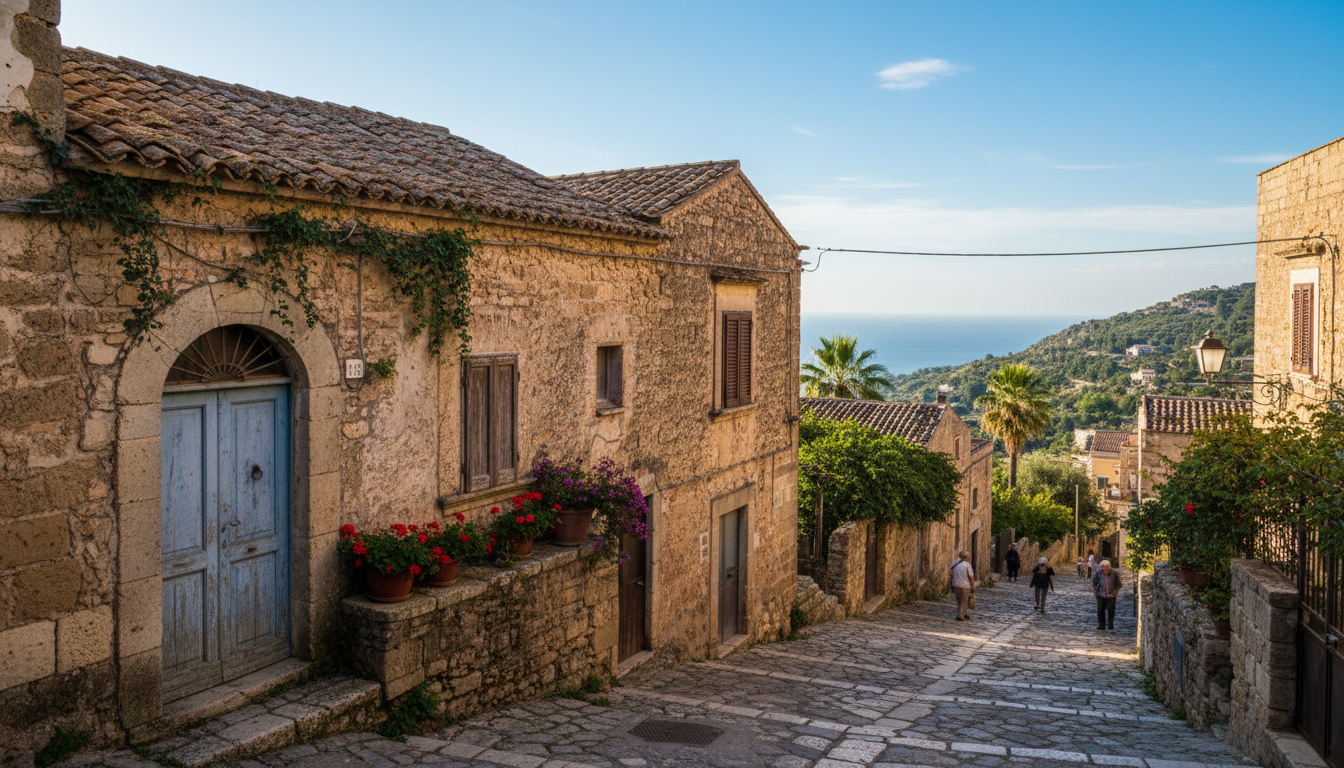
Step-by-Step: How to Buy 1 Euro House in Italy 2026
Navigating the bureaucratic landscape of Italy requires patience and preparation. Follow these steps to secure your property:
1. Identify Participating Municipalities: Not every town offers this deal. In 2026, focus your search on regions like Sicily, Molise, Abruzzo, and rural areas of Tuscany.
2. Review the Tender (Bando): Each town publishes a specific call for applications. You must read the fine print regarding renovation timelines.
3. Submit an Expression of Interest: You will need to fill out forms declaring your intent to buy 1 euro house in Italy 2026 and your commitment to restore it.
4. The Auction Process: Often, if multiple buyers are interested, the 1 Euro price is merely a starting bid. Properties may eventually sell for €5,000 to €10,000.
Financial Obligations and Hidden Costs
While the purchase price grabs headlines, the financial reality involves more than a single coin. When you plan to buy 1 euro house in Italy 2026, consider the following mandatory expenses:
- Notary Fees: Transferring property deeds in Italy usually costs between €2,000 and €4,000.
- Guarantee Deposit: Most councils require a deposit (often between €2,000 and €5,000) to guarantee that you will complete renovations. This is returned once works are finished.
- Renovation Costs: This is the most significant expense. Restoring a historic ruin to modern habitable standards can cost anywhere from €500 to €1,500 per square meter.
- Taxes: Annual property taxes (IMU) and waste collection taxes (TARI) must be factored into your budget.
Renovation Timelines
Strict deadlines are the catch of this program. Typically, buyers must:
- Submit a renovation project within 6 to 12 months of purchase.
- Commence work within 12 to 24 months.
- Complete the restoration within 3 years.
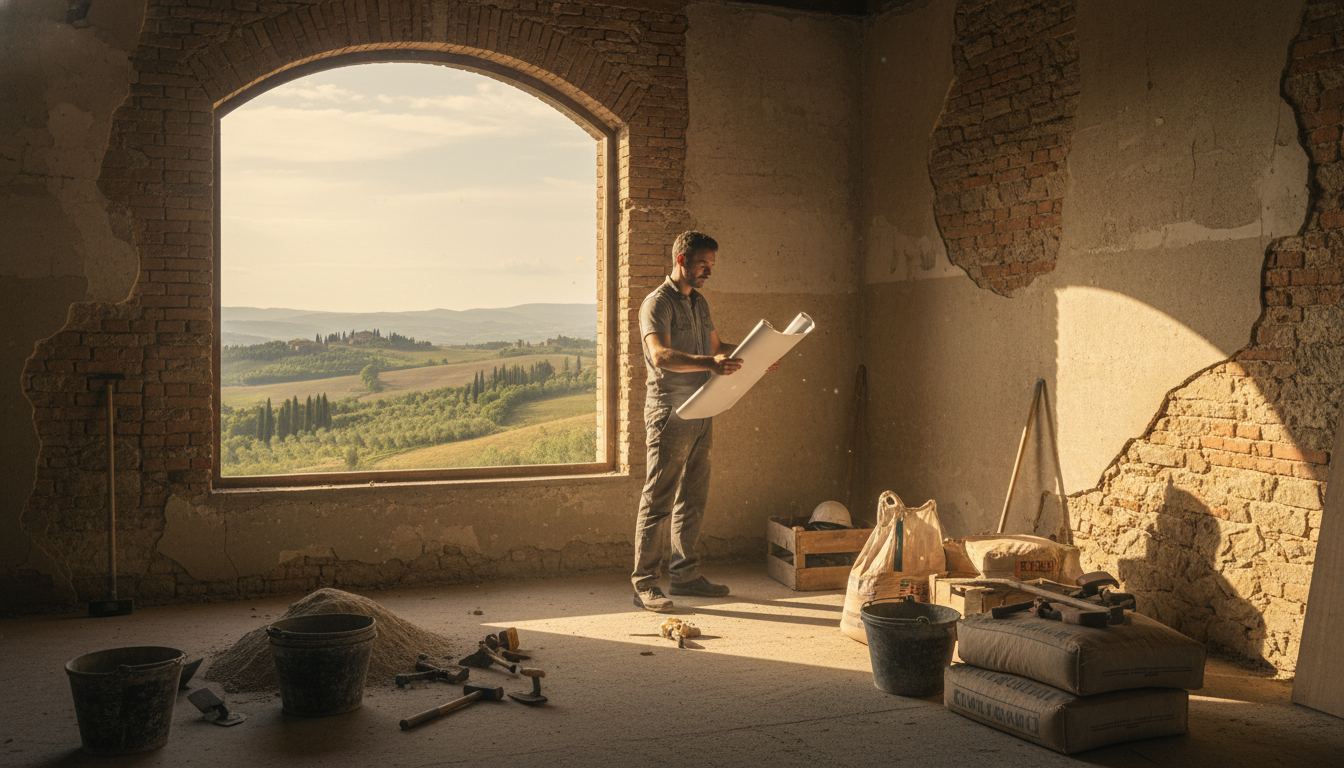
Best Regions to Invest in 2026
If you want to buy 1 euro house in Italy 2026, location is paramount. The following regions have shown the most consistency in their programs:
- Sicily: Towns like Mussomeli and Sambuca remain popular hubs with established support networks for foreign buyers.
- Sardinia: Offers a unique island lifestyle, though logistics for renovation materials can be slightly more expensive.
- Abruzzo: Known as the “Green Region of Europe,” it offers proximity to both mountains and the sea at an affordable cost of living.
- Calabria: Southern charm with very low entry costs and a desperate need for repopulation.
Conclusion
The opportunity to buy 1 euro house in Italy 2026 is an exciting venture for those with the capital for renovation and a passion for Italian culture. It is not a path for those seeking a free home, but rather for serious investors willing to breathe new life into historic stones. By understanding the full scope of costs and legal commitments, you can turn a 1 Euro investment into a priceless Mediterranean retreat.